Open Access | Review
This work is licensed under a Creative Commons Attribution-ShareAlike 4.0 International License.
Robot-assisted simple prostatectomy versus laparoscopic simple prostatectomy: a narrative review of the literature and the state of art
* Corresponding author: Alejandro Garcia-Segui
Mailing address: Carrer L’Almazara, 11, Department of Urology, Hospital General Universitario de Elche, Elche, 03203, Spain.
Email: agarciasegui@gmail.com
Received: 01 June 2026 / Revised: 17 June 2026 / Accepted: 26 June 2026 / Published: 30 June 2026
DOI: 10.31491/UTJ.2026.06.061
Abstract
Introduction: Robot-assisted simple prostatectomy (RASP) and laparoscopic simple prostatectomy (LSP) are minimally invasive surgeries to treat symptoms from benign prostatic hyperplasia (BPH) and results have demonstrated benefits over open simple prostatectomy (OSP), but evidence has not yet established which technique is superior. We conducted a narrative review of literature with the aim of determining superiority.
Methods: We searched PubMed, Embase, Web of Science and Google Scholar through April–May, 2026. The search was performed using the following terms: (robot OR robot-assisted OR robotic) AND (laparoscopy OR laparoscopic) AND (simple prostatectomy OR adenomectomy). Inclusion criteria were: (1) patients with
prostate volume 80–100 mL; (2) undergoing LSP, LA, or RASP; (3) reporting data on perioperative, functional, or complication outcomes; and (4) study types including case reports (≥ 10 patients), prospective studies, retrospective studies, comparative studies, or randomized controlled trials.
Results: From reviewed literature, a total of 91 articles were selected, of which 24 related to LSP/LA, 30 to RASP, 11 to single-port RASP, 20
to comparative studies, and 4 are review articles.
Conclusions: The RASP and LSP techniques are essentially equivalent in terms of perioperative and functional outcomes; however, RASP may simplify learning curve, enabling significant refinements in surgical techniques and leading to improvements regarding perioperative morbidity. Comparative studies of these techniques would be necessary to assess cost-effectiveness of both techniques.
Keywords
RASP, LSP, LA, benign prostatic hyperplasia
Introduction
European Association of Urology (EAU) and American
Urological Association (AUA) guidelines recognize open
simple prostatectomy (OSP) as an effective and durable
procedure for treating lower urinary tract symptoms
(LUTS) caused by benign prostatic hyperplasia (BPH)
in enlarged glands (80–100 mL). Since almost all prostate adenoma tissue is removed, OSP provides excellent
outcomes; however, it remains the most invasive surgical
method [1]. Mariano et al. presented the first description
of laparoscopic simple prostatectomy (LSP) combining
the advantages of functional outcomes of open surgery
with benefits of minimally invasive procedures, such as
reduced pain, shorter hospital stays, less bleeding and a
quicker recovery [2, 3]. Sotelo et al. presented the first
series of robot-assisted simple prostatectomy (RASP)
by replicating laparoscopic technique using a robotic
approach, thereby offering the same advantages as laparoscopy, combined with the well-known benefits of the
robotic approach in terms of improved ergonomy, shorter
learning curves, high precision achieved through threedimensional vision, and meticulous enucleation made possible by the flexibility of the robotic forceps movements
[4].
In scientific terminology, the terms laparoscopic adenomectomy (LA) and LSP are used interchangeably and are
regarded as the same surgical procedure. In contrast, with
regard to the robotic approach, most publications focus on
a single term: RASP.
The fact is that LSP and RASP are classified as minimally invasive surgeries (MIS) for BPH treatment, and their
results have clearly demonstrated their benefits over OSP.
However, there is no consensus as to which of the two is
superior, and furthermore, their application does not depend on clinical criteria, but rather on the technological
resources available at each hospital or the specific practices of each urology department. We conducted a narrative
review of current scientific literature on both procedures
and the available comparative studies between them, with
the aim of determining which is superior.
Methods
We searched PubMed, Embase, Web of Science and
Google Scholar through April–May 2026. To optimize
the quality of our manuscript and the literature search,
we applied the Assessment of Narrative Review Articles
(SANRA) scale [5]; Furthermore, we used guideline recommendations to aid producers of narrative reviews [6].
The search was performed using the following terms: (robot OR robot-assisted OR robotic) AND (laparoscopy OR
laparoscopic) AND (simple prostatectomy OR adenomectomy). Each manuscript was reviewed manually to extract
relevant information and ensure nothing was overlooked.
Our search included articles in English and Spanish from
2002 to 2026. The manuscripts that were excluded were
editorial comments, meeting abstracts and unpublished
studies. Inclusion criteria were defined as shown: All
patients were diagnosed with large BPH (prostate volume 80–100 mL); undergoing LSP/LA/RASP; including
data about perioperative, functional and complications
outcomes; study type (case reports at least 10 patients
[exception: original and innovative articles presenting
new techniques, new approaches or new technologies],
prospective, retrospective, comparative or randomized
controlled trial).
Results
From the literature reviewed, a total of 91 articles were selected, of which 24 related to LSP/LA [3, 7-30], 30 to RASP [4, 31-60], 11 to single-port RASP [61-71], 20 to comparative studies [71-91], 4 were review articles [92-95].
Established evidence and technical maturity of LSP
Since the first description of LSP in 2002 [3], numerous clinical case reports, case series, larger cohort studies, systematic reviews, comparative studies between open and laparoscopic techniques have been published. These studies demonstrated the feasibility and safety of the laparoscopic technique in the treatment of large prostate adenomas. In addition, comparative studies between LSP and open surgery report the advantages of the laparoscopic technique in terms of magnified vision, which allows for selective hemostasis and meticulous enucleation, reduced perioperative bleeding, lower transfusion rates, and reduced requirements for post-operative bladder irrigation, shorter catheterization times and shorter hospital stays, as opposed to longer operating times, the need for expertise in laparoscopy and a long learning curve. Furthermore, it was demonstrated that both techniques offer good functional outcomes in long-term improving urinary symptoms and patients’ quality of life [3, 7-30].
Technical innovations and procedural evolution in RASP
In 2008, Sotelo et al. published the first series of RASP
cases, demonstrating the feasibility and safety of this procedure in the treatment of large adenomas. In this initial
series, the authors performed a transperitoneal approach
and subsequently accessed the retropubic space to carry
out surgical steps similar to those in the Millin technique
[4].
Similarly to what occurred with the first description of the
LSP, numerous clinical case reports, case series, and larger cohort studies have been published. All authors agree
that the RASP technique provides a better view of the
dissection plane, ensuring a more meticulous dissection
of the adenoma and more precise selective hemostasis.
Consequently, the benefits of robotic surgery have enabled
the technique of simple prostatectomy to evolve into different methods of approaching adenoma and optimize the
reconstructive aspects of the surgery to minimize complications, reduce the need for bladder irrigation and shorten
the duration of catheterization [31-60]. Similarly, the
adaptation of robotic devices for single-port (SP) surgery
has also enabled the development of various variations of
the surgical technique for simple prostatectomy using this
particular approach [61-71].
The first published cases of RASP were performed using a
transperitoneal approach, however [4, 31], John et al. reported the first series using an extraperitoneal (preperitoneal) approach, thereby avoiding access to the peritoneal
cavity [32] (Figure 1A).
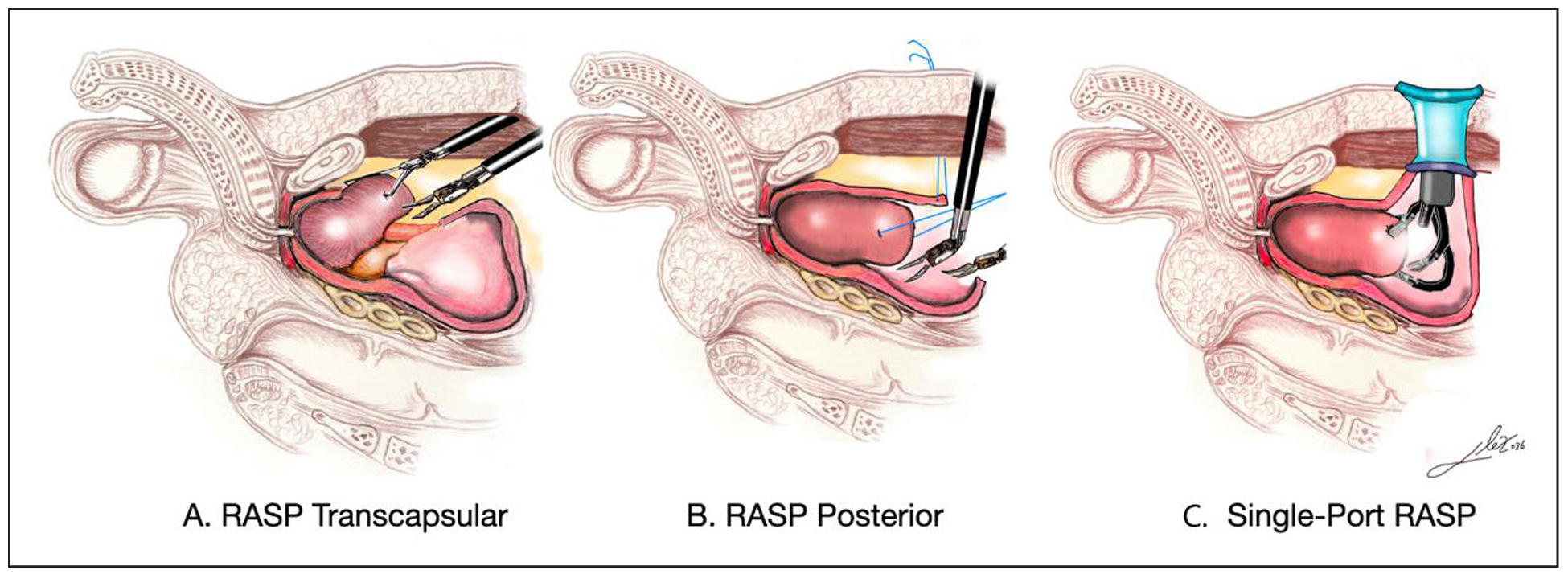
Figure 1. RASP techniques. (A) RASP Transcapsular; (B) RASP Posterior; (C) Single-Port RASP.
In 2015, Pokorny et al. presented the largest RASP series reported to this date (N = 67) with excellent functional outcomes and very effective treatment for large BPH [39]. Another large retrospective series of 150 patients, presented by Lee et al., evaluated the long-term follow-up outcomes at 31.3 months after RASP. Authors reported a low incidence of late complications and noted that outcomes in terms of urinary function improve in the early postoperative care, reaching their maximum improvement at 3 months, and maintaining excellent urinary function outcomes for at least 36 months [47].
Trigonization and vesico-urethral anastomosis
During the trigonization of the prostatic fossa or the reconstruction of the bladder neck, RASP has made the greatest contribution to minimizing the need for bladder irrigation and reducing the duration of bladder catheterization (Figure 2A).
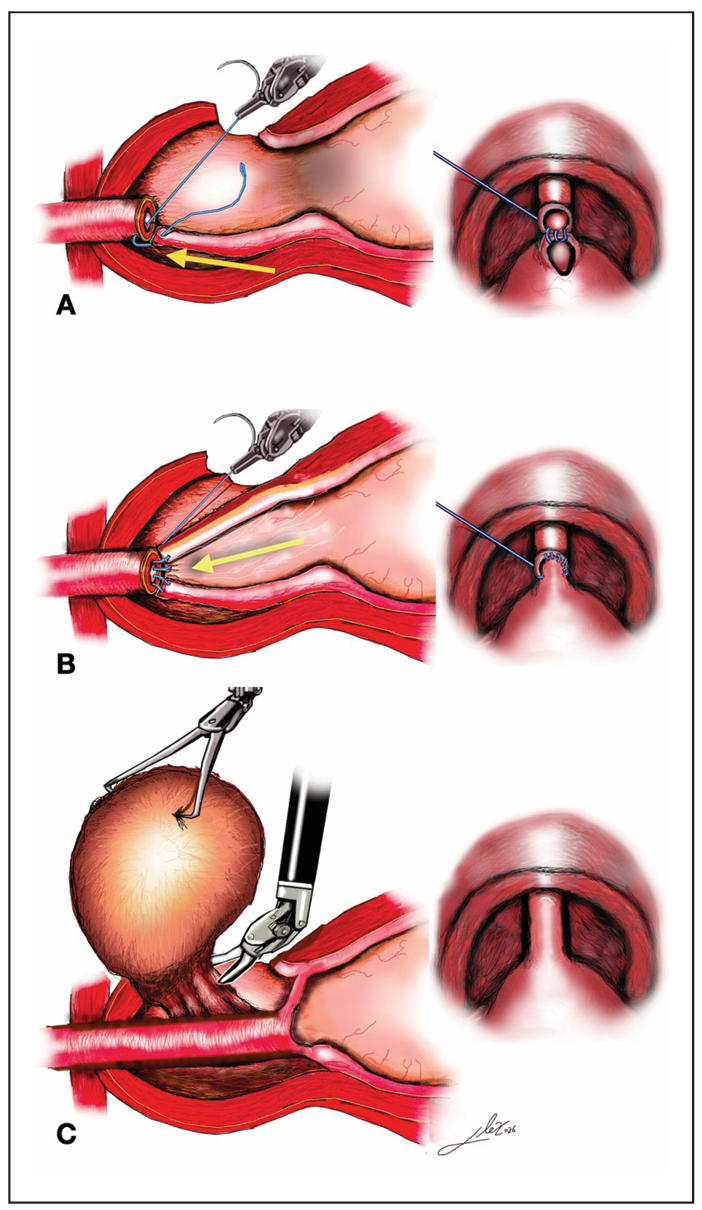
Figure 2. Reconstruction (Trigonization and Urethro-Vesical). (A) Trigonization to prostatic fossa and posterior edge of urethral stump; (B) Urethro-vesical anastomoses; (C) Urethral-Sparing technique.
Based on this concept, Coelho et al. presented a modified technique of vesico-urethral anastomosis during the
RASP. This technique involves creating a suture line that
connects the bladder neck to the urethral stump, isolating
the bleeding surface from the prostatic bed, thereby eliminating the need for bladder irrigation and reducing postoperative bleeding and the length of hospital stay [34].
The published studies report no need for bladder irrigation
and hospital stays of just one day [34, 35, 40, 43, 49, 58]
(Figure 2B).
Clavijo et al. proposed an ‘intrafascial’ approach which,
in addition to eliminating bladder irrigation, reduces postoperative bleeding and the risk of developing prostate
cancer [37, 52].
Shumaker et al. presented one of the largest retrospective
series, involving 292 patients with long-term follow-up of
22 months. The authors demonstrated that RASP with circumferential vesicourethral anastomosis produces significant improvements in urinary symptoms and has minimal
impact on erectile function, although a small percentage
of men do experience sustained bothersome or distressing
changes in orgasm following RASP [58].
Posterior approach (Retzius-sparing)
A new transperitoneal posterior approach was proposed
by Leslie et al., similar to the Retzius-sparing technique
in robot-assisted radical prostatectomy [38]. In this technique, a transverse cystotomy is performed on the bladder
dome, and two percutaneous sutures are placed to keep
the edges of the bladder incision and allow exposure to
the prostate. This technique is known as the “posterior”
approach or preservation of the Retzius space. The authors
argue that this approach allows for better visualization and
preservation of the bladder neck [38, 44] (Figure 1B).
In 2024, Novara et al. presented the only prospective
series on the Retzius preserving RASP technique, in a single-centre study of 87 patients. The authors reported good
perioperative outcomes and low prevalence of high-grade
complications. Furthermore, significant urinary symptoms
relief was achieved, although some patients experienced
slight urgency or stress urinary incontinence [56].
Urethra-sparing
The trend towards minimizing invasiveness, combined
with the aim of avoiding bladder irrigation and preserving
ejaculatory function, led to the development of the urethral preservation technique. Quan et al. replicated Madigan’s urethral preservation technique using a laparoscopic
approach [22]. This same principle has been applied by several authors during RASP. Wang et al. reported the
first series of RASP procedures with urethral-sparing in
a total of 27 patients. In seven cases, urethral repair was
required, and 13 of the patients kept normal ejaculatory
function [45]. Porpiglia et al. preserved ejaculation in
81% using the urethra-sparing technique in a series of 92
cases, of which 56 achieved complete preservation of the
urethra [51] (Figure 2C).
Simone et al. proposed a retrograde intra-urethral injection of indocyanine green to optimize visualization of the
urethra during urethral-sparing surgery. In this series of 12
cases, the authors avoided bladder irrigation in 83.4% of
patients and achieved satisfactory ejaculation in 66% of
cases [46] (Figure 3).
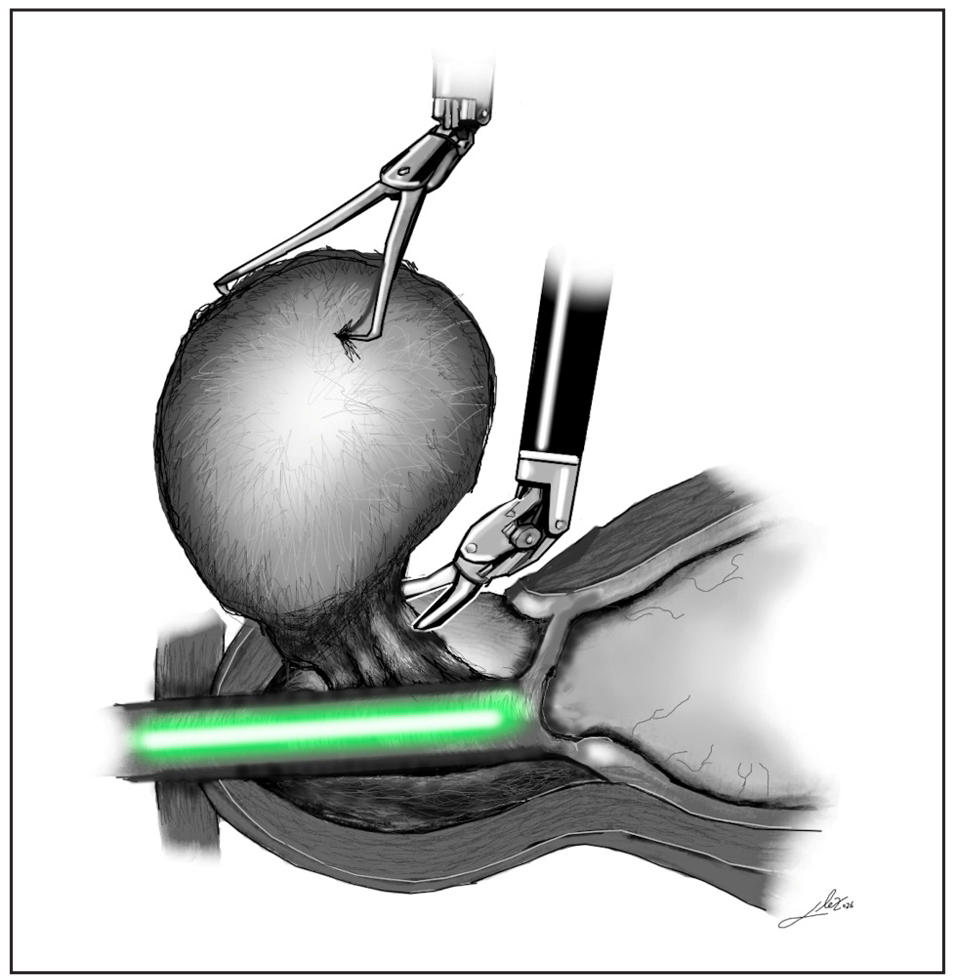
Figure 3. Urethral Sparing technique with near-infrared fluorescence imaging-guided.
Choi et al. compared the outcomes of urethra-sparing RASP versus the non-urethra-sparing technique in a series of 62 patients and observed significant advantages with the urethra-sparing technique in terms of operative time (123.4 minutes vs. 133.7 minutes), length of hospital stay (2.9 days vs. 4.6 days), duration of bladder catheterization (2.4 days vs. 8.1 days), and by maintaining anterograde ejaculation in 78.6% of cases in the preservation group [53].
Techniques with vascular control
Some authors reported RASP techniques involving vascular management to minimize intraoperative bleeding. One of these was done with a temporary bilateral occlusion of the internal iliac arteries [41], or through embolization of the prostatic arteries [50].
RASP with new robotic platforms
New robotic platforms have recently been incorporated into the robotic surgery armamentarium. One of these is the Hugo-RAS system (Medtronic), which is perhaps one of the most popular systems currently available. Mottaran et al. reported the first case of RASP using this technology in 2023 [54] and Piro et al. published the first series of RASP cases using the Hugo-RAS system, involving a total of 20 patients [55]. Balestrazzi et al. recently compared 20 cases of RASP performed using the da Vinci system with 20 cases operated on using the Hugo-RAS platform. In this comparative study, the authors concluded that the results were equivalent in terms of operative time, intraoperative blood loss, length of hospital stay, catheterization time and perioperative complications [82] (Figure 4). Qureshi et al. presented the first prospective series of a total of 82 patients who underwent RASP using Versius technology (CMR surgical) [59]. The results and details of manuscripts on RASP are shown in Table 1.
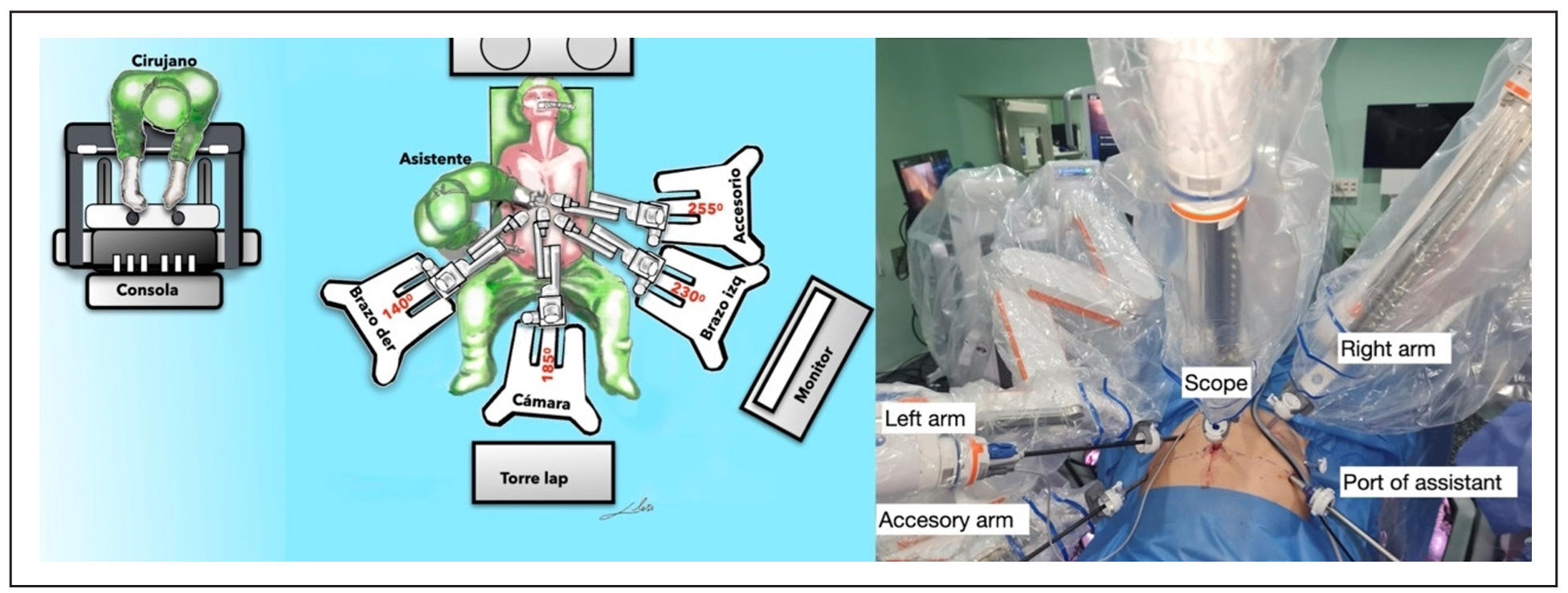
Figure 4. RASP with Hugo-RAS technology. (A) Room-set; (B) Robotic arms and ports placements.
Table 1.
Baseline characteristics and perioperative outcomes of included robotic-assisted simple prostatectomy (RASP) studies.
| Study | Design/LoE | N | Prostate volume (mL) | Approach/technique | Robot type | Operative time (min) | EBL (mL) | LOS (days) | Catheter duration (days) | Key finding |
|---|---|---|---|---|---|---|---|---|---|---|
| Yuh et al. | CS/Level 4 | 3 | 301 (66–640) | EP/RP | dV-MP | 211 (178–230) | 558 (150–1125) | 1.3 (1–3) | — | Replicates the classic open Millin retropubic approach via a pure extraperitoneal robotic route. |
| John et al. | CS/Level 4 | 13 | 100 (90–180) | EP/TV | dV-MP | 210 (150–330) | 500 (100–1100) | — | 6 (3–15) | Preperitoneal robotic access for transvesical adenomectomy that completely avoids the peritoneal cavity. |
| Uffort et al. | CS/Level 4 | 15 | 46.4 (4–114) | TP/TV | dV-MP | 128.8 (70–172) | 139.3 (25–350) | 2.5 (1–4) | 4.6 (2–10) | Highlights transperitoneal RASP as a safe and effective minimally invasive alternative to open surgery. |
| Coelho et al. | RC/Level 4 | 6 | 157 (90–300) | TP/TV | dV-MP | 90 (75–120) | 208 (100–300) | 1 | — | Direct vesicourethral anastomosis after enucleation significantly reduces urinary bleeding and catheter time. |
| Dubey et al. | CS/Level 4 | 3 | — | TP/TV | dV-MP | 220 | 160 | 3.5 | — | Urethrovesical reconstruction with posterior trigonization, optimizing early continence recovery. |
| Vora et al. | RC/Level 3b | 13 | 127 (100–165) | TP/TV | dV-MP | 179 (90–270) | 219 (50–500) | 2–7 (1–8) | 8.8 (5–14) | Multi-institutional study confirming RASP is highly effective and reproducible for glands > 100g. |
| Clavijo et al. | CS/Level 4 | 7 | 50.1 (40–60.5) | TP/TV | dV-MP | 205 (120–300) | 298 (60–800) | 1.4 (1–2) | 7 (6–9) | Introduces a novel intrafascial enucleation technique that minimizes capsular damage and enhances hemostasis. |
| Leslie et al. | CS/Level 4 | 25 | 149 (91–260) | TP/TV | dV-MP | 214 (165–345) | 143 (50–350) | 4 (2–8) | 9 (7–23) | Reports initial experience with robotic TV access combined with a Y-V bladder neck plasty to avoid stenosis. |
| Pokorny et al. | RC/Level 4 | 67 | 129 (104–180) | TP/TV | dV-MP | 97 (80–127) | 200 (115–360) | 4 (3–5) | 3 (2–4) | Confirms outstanding functional and symptom relief (LUTS/BPE) in a high-volume robotic center. |
| Castillo et al. | CS/Level 4 | 34 | 117 (99–146) | TP/TV | dV-MP | 96 (78–126) | 200 (100–300) | 2.2 (1–4) | 4.6 (4–6) | Employs a modified running vesicourethral anastomosis that minimizes urinary leak rates and macrohematuria. |
| Falavolti et al. | CS/Level 4 | 185 | 100 (80–195) | TP/TV | dV-MP | 205 (120–300) | 220 (100–350) | 3.2 (2–6) | 5.6 (5–7) | Proposes temporary internal iliac artery clamping to safely control and dramatically lower intraoperative EBL. |
| Chavali et al. | CS/Level 4 | 28 | 180 | TP/TV | dV-MP | — | 200 | — | 8 | Provides critical surgical technical hints for transvesical RASP to ensure efficient and clean adenoma enucleation. |
| Cacciamani et al. | CS/Level 4 | 23 | 108 (67–149) | TP/TV/CMA | dV-MP | 160 (132–192) | 98 | 2.1 | — | Evaluates a 360 circumferential reconstruction technique after TV enucleation. |
| Wang et al. | CS/Level 4 | 27 | 82 (75–92) | EP/US | dV-MP | 169 (159–185) | 235 (180–300) | 3 (2–4) | 1 (1–2) | Reports successful extraperitoneal urethra-sparing RASP, preserving the urethral tract and accelerating recovery. |
| Simone et al. | CS/Level 4 | 12 | 102 (88–115) | TP/US | dV-MP | 150 (145–170) | 250 (200–350) | 3 (2–3) | 7 | Utilizes ICG near-infrared fluorescence to guide a modified Madigan technique, preserving the urethra and ejaculation. |
| Lee et al. | RC/Level 3b | 150 | 145 (80–210) | TP/TV/CR | dV-MP | 169 (110–228) | 294 (63–525) | 1.4 (1–2.7) | 7 (5–9) | Demonstrates excellent intermediate-term durable urinary function improvement with low long-term complications. |
| Carbonara et al. | CS/Level 4 | 1 | 990 | TP/TV | dV-MP | 240 | 1000 | 4 | 10 | Confirms technical feasibility of standard transperitoneal RASP for extreme "giant" BPH pathology |
| Shahait et al. | CS/Level 4 | 30 | 97 (74–148) | TP/BNS | dV-MP | 107 (85–129) | 132 (87–167) | 1 | — | Shows that BNS technical modification drastically lowers early incontinence and contracture rates. |
| Kam et al. | CS/Level 4 | 11 | 129 (64–195) | TP/TV (Post-PAE) | dV-MP | — | — | — | 7 | Outlines safe initial experience performing salvage RASP following failed PAE. |
| Porpiglia et al. | RC/Level 3 | 92 | 140 (119–171) | TP/US | dV-MP | 110 (97–122) | 200 (110–3000) | 5 (4–6) | 4 (3–6) | Demonstrates that urethra-sparing RASP effectively preserves antegrade ejaculation function compared to Millin techniques. |
| Choi et al. | RC/Level 3 | 62 | 100 (80–120) | EP/US | dV-MP | 123 (108–138) | 151 (75–227) | 2.9 (1.4–3.4) | 2.4 (0.7–4.1) | Confirms high rates of postoperative antegrade ejaculation preservation utilizing a dedicated urethra-sparing technique. |
| Mottaran et al. | CS/Level 4 | 1 | 155 | TP/TV | HUGO-RAS | 150 | — | 3 (2–4) | 2 | Demonstrates safety and absolute feasibility of modular multi-cart system using the novel HUGO-RAS platform. |
| Piro et al. | CS/Level 4 | 20 | 120 (101–154) | TP/TV or RP | HUGO-RAS | 165 (121–180) | — | 3 (3–4) | 1 | Provides step-by-step descriptions of both TV and RP layouts utilizing the modular configuration of the HUGO-RAS. |
| Novara et al. | PC/Level 3 | 87 | 150 (125–188) | TP/RS | dV-MP | 175 (140–210) | 350 (200–500) | 3 (2–4) | 5 (3–6) | Validated questionnaires confirm excellent short-term functional recovery and low pain using Retzius-sparing RASP. |
| Pham et al. | CS/Level 4 | 50 | 180 (132–228) | TP/TV | dV-Xi | 140 (112–168) | 274 (94–400) | 5.2 (3.3–8.1) | 7 | Confirms excellent and stable lower urinary tract symptom relief at a medium- to long-term follow-up checkpoint. |
| Shumaker et al. | CS/Level 4 | 292 | 156 (78–234) | TP/TV | dV-Xi | 164 (110–218) | 301 (66–536) | 1 | 7.3 (3.2–11.4) | Largest cohort to date showing superb long-term urinary/sexual outcomes using a circumferential mucosal anastomosis. |
| Qureshi et al. | CS/Level 4 | 82 | 133 (106–160) | TP/TV | Versius | 160.5 (127–187) | 678 (364–992) | 4 (2.3–5.7) | 7 (4–10) | First study showing successful deployment of ® the open-console Versius robotic framework for transvesical RASP. |
| Johnson et al. | RC/Level 4 | 120 | 121.5 (102–149.3) | TP/TV | dV-MP | 157 (136–180) | Hb drop 5.4% | 1 (1–2) | 4 (4–6) | Maps the RASP learning curve, demonstrating that efficiency stabilizes after approximately 10–15 cases for robotic surgeons. |
| Kaouk et al. | CS/Level 4 | 10 | 159 (108–223) | TP/TV/SP | dV-SP | 190 (146–203) | 100 (68–175) | 0.8 (0.7–1.1) | — | Initial experience showing that dedicated SP robotic systems allow for same-day discharge (outpatient). |
| Steinberg et al. | RC/Level 3b | 10 | 104 (93–115) | TP/TV/SP | dV-SP | 172 (153–191) | 141 (43–239) | — | 1.9 (0.1–3.7) | Confirms dedicated single-port extraperitoneal Millin architecture avoids peritoneal space while keeping pain scores low. |
| Abou Zeinab et al. | CS/Level 4 | 91 | 156 (94–218) | TP/TV/SP | dV-SP | 159 (114–204) | 100 (50–200) | 0.8 (0.2–1) | 5 (5–7) | Large multi-institutional analysis proving dedicated SP-TV approach offers superior postoperative data uniformity. |
| Abou Zeinab et al. | CS/Level 4 | 42 | 170 | TP/TV/SP | dV-SP | — | — | 4.6 (4.1–5.7) | 7 | Focuses on protocol shifts toward accelerated recovery pathways, driving a mean hospital stay under 24 hours. |
| Ramos et al. | CS/Level 4 | 117 | > 80 | TV/SP | dV-SP | 107 | 100 | 1 | — | Demonstrates excellent long-term standard reproducibility of dedicated single-port RASP across 100 cases. |
| Younis et al. | RC/Level 3 | 179 LP: 93 VLP : 86 |
150 (81–425) LP: 80–150 VLP: > 150 |
TV/SP | dV-SP | LP: 98 (70–120) VLP: 115 (82–143) |
LP: 80 (50–100) VLP: 100 (53–150) |
LP: 4.6 (3.7–5.9) VLP: 5 (3.8–6) |
LP: (4–7) VLP: 5 (3–7) |
Compares outcomes across glands 80-150 cc vs. > 150 cc, proving single-port STEP remains robust regardless of massive size. |
| Santodirocco et al. | CS/Level 4 | 130 | 110 (85–153) | TV/SP | dV-SP | 191 (152–240) | 50 (30–150) | 9 h (8–11) | — | Risk-adjusted CUSUM curves demonstrate the learning curve for specialized single-port RASP optimizes after 20 operations. |
| Qi et al. | RC/Level 3 | 89 | 110 (90–171) | TV/SP | dV-SP | 180 (164–200) | 100 (30–180) | 5–9 h | — | Volume-stratified analysis definitively establishing the safety profile of SP-TV in massive gland dimensions. |
Notes: LoE, level of evidence; CS, case series; RC, retrospective comparative study; PC, prospective cohort study; EP, extraperitoneal approach; TP, transperitoneal approach; TV, transvesical approach; SP, single-port; RP, retropubic approach; US, urethra-sparing technique; BNS, bladder neck-sparing technique; CR, circumferential reconstruction; CMA, circumferential mucosal anastomosis; PAE, prostatic arterial embolization; dV-MP, da Vinci multi-port surgical system; dV-Xi, da Vinci Xi surgical system; dV-SP, da Vinci single-port surgical system; HUGO-RAS, HUGO™ robot-assisted surgery system; Versius, Versius® robotic system; EBL, estimated blood loss; LOS, length of stay; LUTS, lower urinary tract symptoms; BPE, benign prostatic enlargement; ICG, indocyanine green; STEP, single-port transvesical enucleation of prostate; CUSUM, cumulative summation; LP, large prostate (80–150 mL); VLP, very large prostate (> 150 mL); Hb drop, hemoglobin drop.
Preliminary clinical application of single-port robotic platforms in simple prostatectomy
Advances in minimally invasive techniques led to the performance of LSP via laparoscopic single-site surgery [61- 63]. Desai et al. introduced a technique involving a percutaneous approach to the bladder to perform enucleation of the prostate adenoma using a pneumovesicum by the concept of SP [61, 63]. Recent advances in robotics technology enabled Intuitive’s da Vinci system to develop the SP platform, and in 2018 it was approved by the Food and Drug Administration (FDA) for prostatic surgeries. Kaouk et al. presented the first series operated by SP percutaneous transvesical simple prostatectomy using the novel SP robotic surgical system. The authors explained that the system enables the surgery to be performed via a single incision containing multiple working channels. They also conclude that this approach avoids the need to access the peritoneum, minimizes dissection of the bladder and provides excellent visualization of the prostatic fossa [64]. Steinberg et al. reported similar results in a series of 10 patients who underwent SP-RASP [65]. Abou Zeinab et al. presented the first multi-institutional collaboration with the largest cohort to date on SP-RASP. The authors included a total of 91 patients who underwent surgery at three institutions, performed by three different surgeons, with operating times of 156 minutes, intraoperative blood loss of 100 mL, minimal pain, and enabling same-day discharge [66]. The same group presented a series of 42 cases of SP-RASP, achieving a hospital stay of less than 5 hours [67]; when comparing their results with open surgery, they found significant benefits in terms of reduced bleeding, the absence of bladder irrigation, a very short hospital stay and a reduction in the duration of catheterization [81]. Three further robust series on SP-RASP have recently been published, confirming the previously reported findings regarding the benefits of this technique in reducing hospital stays to same-day discharge and its effectiveness in cases involving very large prostates [68, 69, 71] (Figure 1C).
Learning curve of LSP, RASP, and SP-RASP
It is widely accepted that laparoscopic surgery involving
reconstructive techniques requires a prolonged learning
curve, and this may be one of the limitations when comparing LSP with open surgery. The published evidence
for the LSP learning curve is very limited, and there is no
consensus on the number of cases required comparable to
the laparoscopic radical prostatectomy [30].
In relation to the learning curve for RASP, it is known
that urologists with prior experience in robotic surgery
find it easier to train in and acquire this technique. It is
also well known that one of the major benefits of robotic
surgery is the reduced learning curve compared with laparoscopic techniques. At present, the scientific literature
on the RASP learning curve is very limited. Johnson et al. performed a retrospective study of 120 cases of RASP
with the aim of defining the learning curve. The authors
reported in their study that the assessment of the learning
curve depends on the parameters selected for analysis,
and concluded that blood loss and tissue yield showed the
greatest improvement over time, but neither showed significant improvement beyond 12 cases, enabling them to
estimate a learning curve of between 10 and 12 cases for
experienced robotic surgeons [60].
Proficiency for SP-RASP was reached at 33 cases, and technical consolidation occurred after approximately the 75th case, based on risk-adjusted CUSUM (RA-CUSUM) of operative time in a single-surgeon series of 103 consecutive cases. In the learning curve of SP-RASP, the prostate volume is the dominant driver of operative duration, with BMI also contributing [70].
Comparative proficiency and mastery difficulty across the three surgical approaches
OSP vs. RASP
There are numerous comparative studies between OSP
and RASP. In all of them, the findings highlight the benefits of robotic surgery in terms of reduced bleeding, lower
transfusion rates, and a lower incidence of perioperative
complications, shorter hospital stays, shorter catheterization times and lower readmission rates. In contrast, the
robotic approach involves longer operating times, represents a higher institutional cost and requires experience in
robotic surgery.
Finally, comparative studies confirm that OSP and RASP
provide equivalent functional outcomes in terms of Qmax,
IPSS, quality of life, and the volume of prostate tissue removed [72-80].
RASP (multiPort vs. single-port)
To our knowledge, there are only two studies comparing RASP performed using a multi-port (MP) approach versus the SP approach. Khalil et al. presented a comparative study of MP- and SP-RASP involving a total of 75 patients, 45 of whom underwent MP surgery and 28 SP surgery. The results report for MP vs. SP with regard to operative time (216.6 min vs. 232.4 min), blood loss (195.7 mL vs. 227 mL), hospital stay (2 days vs. 2.5 days) and duration of urinary catheterization (10.2 days vs. 10.5 days). Based on these findings, the authors concluded that the procedures are equivalent [84]. Abou Zeinab et al. included 405 patients in their study, of whom 240 underwent MP surgery and 156 underwent SP surgery. The authors reported less blood loss, a brief hospital stay, a shorter catheter indwelling time and a lower requirement for opioids with the SP system [85].
RASP (transvesical vs. transcapsular)
Farzat et al. conducted a comparative analysis of perioperative outcomes between transvesical RASP and robot-assisted transcapsular RASP using a multiport system in a series of 100 patients, 40 of whom underwent surgery via a transvesical approach and 60 via a transcapsular approach. The authors reported that the transcapsular technique resulted in shorter console time (71 min vs. 91 min), shorter bladder catheterization time (4.3 days vs. 6.7 days) and a shorter hospital stay (5 days vs. 6 days). On the other hand, they concluded that although the transvesical technique resulted in more complications, it represents the most appropriate option for complex cases. However, the choice of approach depends on the surgeon’s preference and experience [82].
Comparative safety and efficacy between LSP and RASP
Autorino et al. presented a retrospective, multicenter analysis across 23 European and American institutions that
evaluated 1,330 surgeries, including 487 RASP and 843
LSP. In descriptive comparisons, median operative time
was 95 minutes for LSP versus 154.5 minutes for RASP;
median length of stay was 4 days for LSP versus 2 days
for RASP; median time to catheter removal was 4 days
for LSP versus 7 days for RASP; and ≤ 90-day complication rates were 7.1% for LSP versus 16.6% for RASP. At
approximately 12 months of follow-up, no differences in
functional outcomes were reported. The study concluded
that LSP and RASP are feasible, safe, and effective surgical options for bladder outlet obstruction due to benign
prostatic enlargement. The authors stated that robotic
technology may be a reasonable option in institutions with
an established robotic platform for other common urologic
procedures [86].
Pavan et al. presented a retrospective, multicenter comparative study that evaluated 319 consecutive patients, comparing LSP (N = 189) with RASP (N = 130) and assessing
both perioperative and functional outcomes. The results
were similar without statistical significance in operative
time (150 vs. 120 min), estimated blood loss (250 vs. 300
mL), complications (3.8% vs. 5.3%), catheterization time
(median 5 vs. 5 days), and length of stay (median 5 vs. 5
days). Postoperative morbidity showed a higher complication rate after RASP (17.7% vs. 5.3%), driven by minor
(Clavien 1–2) events (14.7% vs. 3.2%). Both procedures
produced significant functional improvement. The authors
concluded that both LSP and RASP are safe and effective
minimally invasive options for large prostates [87].
Martín-Garzón et al. presented a prospective, nonrandomized, unblinded study that compared outcomes of LSP (N
= 82), RASP (N = 79), and Intrafascial-RASP (N = 75).
The authors reported operative time around 152–162 minutes and no significant differences in estimated blood loss
or transfusion rates; overall complication rates were similar across groups. At 12 months, continence rates were
high and not significantly different (97.4% LSP, 94.4%
RSP, 95.8% Intrafascial-RSP). The authors concluded that
Intrafascial-RASP is safe and effective, with outcomes
comparable to LSP and RASP, no need for postoperative
irrigation, and potentially more complete tissue removal
with increased detection of occult cancer [88].
Amenta et al. presented a retrospective comparative study
that analyzed 25 cases of LSP and 25 RASP. The authors
concluded that RASP is safe and yields perioperative and
functional outcomes comparable to LSP, with the advantage of a shorter hospitalization, while emphasizing that
given the higher costs and limited availability of robotics
platforms, LSP is a safe alternative in the hands of an experienced surgeon [89].
Li et al. published a systematic review and meta-analysis
that compared LSP with RASP by pooling five comparative studies comprising 1928 patients (1175 LSP and 753
RASP). In pooled analyses, RASP was associated with
a shorter length of hospital stay (1.20 vs. 2.32 days),
whereas operative time, estimated blood loss, catheterization time and overall complications were not significantly
different between approaches. Functionally, RASP demonstrated a higher Qmax in pooled analysis. The authors
concluded that LSP and RASP provide overall comparable efficacy and safety for large-gland BPH, with RASP
showing a more favorable perioperative/functional profile driven mainly by shorter hospitalization and modestly
higher Qmax [90].
Pandolfo et al. performed a systematic review and metaanalysis to compare the perioperative safety and effectiveness of RASP versus OSP, LSP, and laser endoscopic enucleation of the prostate.
Fifteen comparative studies were included, totaling 6659
patients. In pooled comparisons with OSP, RASP was
associated with significantly longer operative time but lower estimated blood loss, lower transfusion rate, shorter
length of stay, and lower postoperative complication
rate, supporting a perioperative morbidity advantage for
the robotic approach relative to open surgery. RASP can
duplicate the functional outcomes of OSP while offering
a better safety profile. When compared to LSP, the latter
still stands as a valid lower-cost option, but it requires
solid laparoscopic skill sets and therefore it is unlikely to
spread on a larger scale [91]. The results of this series are
summarized in Table 2.
Table 2.
Baseline characteristics and perioperative outcomes of RASP versus LSP.
| Author | Study | N | Prostate size (mL) | Operative time (min) | Blood loss (mL) | Length of stay ( days) | Complications (%) | Key finding |
|---|---|---|---|---|---|---|---|---|
| Autorino et al. [86] | Retrospective Multicenter | N = 1330 RASP = 487 LSP = 843 |
RASP : 110 LSP : 99 |
RASP : 154 LSP : 95 |
RASP : 200 LSP : 280 |
RASP : 2 LSP : 4 |
RASP : 16.6 LSP : 7.1 |
Trifecta outcome was not influenced by the surgical approach. |
| Pavan et al. [87] | Retrospective Multicenter | N = 319 RASP = 130 LSP = 130 |
RASP : 118 LSP : 109 |
RASP : 150 LSP : 120 |
RASP : 250 LSP : 300 |
RASP : 5 LSP : 5 |
RASP : 17.7 LSP : 5.3 |
Both approaches were safe and effective. |
| Martín-Garzón et al. [88] | Single center Prospective nonrandomized | N = 236 RASP = 79 LSP = 82 IF-RASP = 75 |
RASP : 80.3 LSP : 80.6 IF-RASP : 75.5 |
RASP : 162.3 LSP : 161.2 IF-RASP : 152.2 |
RASP : 390 LSP : 331 IF-RASP : 535 |
— | RASP : 12.6 LSP : 14.6 IF-RASP : 10.6 |
The IF-RASP technique is safe and effective, does not require bladder irrigation, and may facilitate detection of prostate cancer. |
| Amenta et al. [89] | Retrospective Two center | N = 50 RASP = 25 LSP = 25 |
RASP : 135 LSP : 141 |
RASP : 139 LSP : 122 |
RASP : 150 LSP : 150 |
RASP : 4 LSP : 6 |
RASP : 16 LSP : 8 |
RASP demonstrated comparable safety, with a shorter length of stay and longer operative time compared with LSP. |
Discussion
Banapour et al. conducted a systematic review of RASP
and reported an additional single-institution case series.
The review included eight non-comparative case series
published between 2008 and 2012, comprising 109 patients, and 16 additional cases, for a total of 125 patients.
Mean operative time ranged from 128.8 to 211 minutes,
estimated blood loss varied from 50 to 558 mL, with a
mean of 197 mL in the institutional series. The mean
weight of the resected adenoma ranged from 46.4 to 301
g, catheterization duration ranged from 4.6 to 13 days,
and hospital stay ranged from 1 to 6 days, with more than
75% of studies reporting a length of stay shorter than 3
days; the median hospital stay was only 1 day. Transfusion rates were 0% in most published series. Complication
rates were low. Functional outcomes showed substantial
improvement in LUTS, with postoperative IPSS scores decreasing from preoperative values of 17.8–24 to postoperative values of 5–8.1. Overall,
the authors concluded that RASP is a safe and effective
treatment for patients with large-volume BPH, offering reduced blood loss, minimal transfusion requirements, short hospitalization, and excellent
functional outcomes [92].
Kordan et al. performed a systematic review of the literature on RASP, including 35 studies published between
2008 and February 2020, comprising 26 non-comparative
case series and 9 comparative studies. A total of 1,564
patients underwent RASP across the included studies. The
overall level of evidence was III, as no randomized controlled trials were available. Mean prostate volume ranged
from 70.9 to 323 mL. Operative time varied between 90
and 274 minutes, while estimated blood loss ranged from
98 to 558 mL. The weight of the resected adenoma ranged
from 46.4 to 301 g. Mean catheterization time varied
from 1.6 to 13 days, and length of hospital stay ranged
from 1 to 8.8 days. Transfusion rates were generally very
low, with most series reporting no transfusions. Overall
complication rates ranged from 0% to 37.5%, with most
complications being minor. Functional outcomes demonstrated substantial improvement after surgery. The authors
concluded that RASP is a safe and effective treatment
option for prostates larger than 80 g, providing excellent
functional outcomes with low transfusion rates, acceptable
morbidity, reduced blood loss, and shorter hospitalization
compared with OSP, although at the
expense of longer operative times [93].
Moschovas et al. conducted a comprehensive nonsystematic literature review evaluating the evolution of
RASP techniques. The review included 16 original studies published between 2008 and 2020, encompassing
approximately 255 patients treated with various RASP
approaches. The available evidence consisted primarily
of retrospective case series, corresponding to Level IV–V evidence. Mean prostate volume ranged from 47.5 to
301 mL. Operative time varied from 90 to 241 minutes,
estimated blood loss ranged from 98.6 to 584 mL, hospital stay ranged from 0.8 to 8.4 days, and catheterization
duration varied between 1 and 15 days. Transfusion rates
ranged from 0% to 33%, although most contemporary
series reported no need for blood transfusion. Functional
outcomes demonstrated substantial improvement in lower
urinary tract symptoms. The authors concluded that
robotic-assisted simple prostatectomy has undergone considerable technical evolution since its first description and
currently represents a safe, effective, and minimally invasive surgical option for patients with large-volume BPH, offering favorable perioperative outcomes while preserving excellent functional results [94].
Xu et al. present a narrative review of RASP. The authors concluded that RASP is a safe minimally invasive
option with a shorter learning curve for surgeons already
experienced in robotic surgery, with low rates of severe
morbidity, offering outcomes comparable to OSP, shorter
catheterization. However, the evidence base remains dominated by nonrandomized studies, and well-designed prospective randomized trials with long-term follow-up are
still needed to confirm durability and optimize technique
selection [95].
Finally, the answer to the initial question: which is better,
LSP or RASP? In reality, both procedures are minimally
invasive approaches, meaning that their benefits in terms
of reduced morbidity and less pain are comparable, but
several issues must be explained. Firstly, regarding the
learning curve, laparoscopic surgery requires more complex and prolonged learning curves to acquire surgical
skills, compared to robotic surgery since this platform
helps novice surgeons, simplifying movements and reducing the learning curve. RASP has proven clear benefits. In
fact, robotic surgery training does not depend strictly on
the operator’s innate skills, but rather on the availability
of the robotic system at their centre and the administrative
selection process that allows surgeons to access it.
Secondly, optimal visualization of the surgical field
and meticulous tissue dissection are superior in robotic
surgery, as reported by authors according to available
scientific literature. This is particularly important in oncological surgeries such as radical prostatectomy, where
functional outcomes depend entirely on the quality of the
procedure. However, in simple prostatectomy, this does
not appear to be as relevant because the surgical aim is to
relieve obstruction, as results are equivalent to those of
OSP. The major benefit of RASP lies in the reconstructive
steps, demonstrating advantages of this technique in terms
of reduced morbidity and shorter catheterization times related to urethro-vesical anastomosis, including optimization of urethral preservation techniques and the approach
preserving the Retzius space. These techniques are less
feasible in laparoscopic surgery.
Thirdly, SP technique—which has been greatly
advanced by development of robotic platforms specifically designed for this approach–allows for maximum
minimally invasive surgery through transvesical techniques using pneumovesicum, and also enables creation
of 360-degree anastomoses. This approach eliminates the
need for irrigation minimising the need for hospitalization. This technique is not possible using laparoscopy. The
limitation lies in the widespread use of SP platforms.
Cost wise, there are no comparative cost studies between
RASP and LSP. No robust published economic evaluations directly comparing costs of RASP vs. LSP are present in the provided evidence set. All cost-effectiveness or
cost studies supplied are for robotic vs. laparoscopic radical prostatectomy or other oncologic surgery and therefore
cannot be extrapolated to simple prostatectomy costs (different indications, pathways, OR time, LOS, complication
mix, disposables). The cost of robotic technology in RASP
is likely still the breaking point, as a strict analysis of the
equipment and instruments shows them to be significantly
more expensive than LSP or OSP. However, a more detailed analysis that takes into account the savings achieved
through shorter hospital stays, fewer complications, fewer
readmissions and reduced use of irrigation can change this
balance. Furthermore, cost analyses vary widely depending on healthcare policies across different countries and
between private and public centers.
In the EAU and AUA guidelines, the holmium laser enucleation of the prostate (HoLEP) is recognized as a
standard for the treatment of BPH and is the most versatile minimally invasive surgical technique for large prostate [1,
2]. But in contrast to RASP, HoLEP and other LEP techniques are technically difficult procedures with a learning
curve of 40–60 cases and variability in performance even
late in the surgeon’s experience [96-98]. Numerous studies have compared the outcomes of RASP with HoLEP
and show that the functional outcomes are equivalent,
demonstrating advantages for LEP over RASP in terms
of shorter operating times, less intraoperative bleeding,
lower transfusion rates, and shorter hospital stays, although with a steep learning curve [99-103]. The reality is
that implementation of robotic technologies is expanding
worldwide and their applicability is becoming increasingly widespread in multiple surgeries; on the other hand,
the applicability of laser treatment is limited to surgery for
BPH and stone disease. Furthermore, RASP makes it possible to treat concomitant diseases during the same surgical procedure, such as bladder stones, bladder diverticula, inguinal hernias, etc.
Consequently, when it comes to the question of which is
better, the evidence and current trend favour RASP over
LSP, without disregarding the benefits of the HoLEP technique.
Future developments may focus on the development of
new, lower-cost robotic platforms adapted to the singleport technique, thereby enabling wider adoption, alongside development of more versatile and simplified trocars
for this technique. Similarly, telesurgery could be applied
to robotic techniques for BPH once its applicability has
been standardized and simplified, while laparoscopy and
laser techniques will be excluded from this approach.
Conclusions
The RASP and LSP techniques are essentially equivalent in terms of perioperative aspects and functional outcomes; however, RASP may simplify the learning curve, enables significant refinements in surgical techniques and lead to improvements in perioperative morbidity. Comparative studies of these techniques are needed to assess the cost-effectiveness of both.
Declarations
Availability of data and materials
Not applicable.
Financial support and sponsorship
None.
Conflicts of interest
Not applicable.
Ethical approval and informed consent
Not applicable.
References
1. Uroweb. Arnhem, The Netherlands: European Association of Urology, c2026. Available from: https://uroweb.org/guidelines/management-of-non-neurogenic-male-luts.
2. Lerner L, McVary K, Barry M, Bixler B, Dahm P, Das A, et al. Management of LUTS attributed to benign prostatic hyperplasia: AUA guideline Part I—initial work-up and medical management. J Urol, 2021, 206(4): 806-817. [Crossref]
3. Mariano M, Graziottin T, & Tefilli M. Laparoscopic prostatectomy with vascular control for benign prostatic hyperplasia. J Urol, 2002, 167(6): 2528-2529. [Crossref]
4. Sotelo R, Clavijo R, Carmona O, Garcia A, Banda E, Miranda M, et al. Robotic simple prostatectomy. J Urol, 2008, 179(2): 513-515. [Crossref]
5. Baethge C, Goldbeck-Wood S, & Mertens S. SANRA—a scale for the quality assessment of narrative review articles. Res Integr Peer Rev, 2019, 4: 5. [Crossref]
6. Kelley GA, & D’Souza RS. Narrative reviews in anesthesia and pain medicine: guidelines for producers, reviewers and consumers. Reg Anesth Pain Med, 2025, 50(9): 725-729. [Crossref]
7. Nadler R, Blunt L, Jr., User H, & Vallancien G. Preperitoneal laparoscopic simple prostatectomy. Urology, 2004, 63(4): 778-779. [Crossref]
8. van Velthoven R, Peltier A, Laguna M, & Piechaud T. Laparoscopic extraperitoneal adenomectomy (Millin): pilot study on feasibility. Eur Urol, 2004, 45(1): 103-109. [Crossref]
9. Sotelo R, Spaliviero M, Garcia-Segui A, Hasan W, Novoa J, Desai M, et al. Laparoscopic retropubic simple prostatectomy. J Urol, 2005, 173(3): 757-760. [Crossref]
10. Rehman J, Khan S, Sukkarieh T, Chughtai B, & Waltzer W. Extraperitoneal laparoscopic prostatectomy (adenomectomy) for obstructing benign prostatic hyperplasia: transvesical and transcapsular (Millin) techniques. J Endourol, 2005, 19(4): 491-496. [Crossref]
11. Rey D, Ducarme G, Hoepffner J, & Staerman F. Laparoscopic adenectomy: a novel technique for managing benign prostatic hyperplasia. BJU Int, 2005, 95(4): 676-678. [Crossref]
12. Mariano M, Tefilli M, Graziottin T, Morales C, & Goldraich I. Laparoscopic prostatectomy for benign prostatic hyperplasia--a six-year experience. Eur Urol, 2006, 49(1): 127-132. [Crossref]
13. Hoepffner J, Gaston R, Piechaud T, Rey D, Mugnier C, Njinou B, et al. Finger assisted laparoscopic retropubic prostatectomy (Millin). Eur Urol Suppl, 2006, 5(19): 962-967. [Crossref]
14. Porpiglia F, Terrone C, Renard J, Grande S, Musso F, Cossu M, et al. Transcapsular adenomectomy (Millin): a comparative study, extraperitoneal laparoscopy versus open surgery. Eur Urol, 2006, 49(1): 120-126. [Crossref]
15. Baumert H, Ballaro A, Dugardin F, & Kaisary A. Laparoscopic versus open simple prostatectomy: a comparative study. J Urol, 2006, 175(5): 1691-1694. [Crossref]
16. Zhou L, Xiao J, Chen H, Zhu Y, Sun Y, & Xuan Q. Extraperitoneal laparoscopic adenomectomy for benign prostatic hyperplasia. World J Urol, 2009, 27(3): 385-387. [Crossref]
17. McCullough T, Heldwein F, Soon S, Galiano M, Barret E, Cathelineau X, et al. Laparoscopic versus open simple prostatectomy: an evaluation of morbidity. J Endourol, 2009, 23(1): 129-133. [Crossref]
18. Ramón de Fata Chillón F, Nuñez Mora C, García Mediero J, Cabrera Castillo P, García Tello A, & Angulo Cuesta J. Laparoscopic extraperitoneal adenomectomy: surgical technique and preliminary results. Actas Urol Esp, 2010, 34(9): 806-810. [Crossref]
19. Castillo O, Bolufer E, López-Fontana G, Sánchez-Salas R, Fonerón A, Vidal-Mora I, et al. Laparoscopic simple prostatectomy (adenomectomy): experience in 59 consecutive patients. Actas Urol Esp, 2011, 35(7): 434-437. [Crossref]
20. Chlosta P, Varkarakis I, Drewa T, Dobruch J, Jaskulski J, Antoniewicz A, et al. Extraperitoneal laparoscopic Millin prostatectomy using finger enucleation. J Urol, 2011, 186(3): 873-876. [Crossref]
21. Asimakopoulos A, Mugnier C, Hoepffner J, Lopez L, Rey D, Gaston R, et al. Laparoscopic treatment of benign prostatic hyperplasia (BPH): overview of the current techniques. BJU Int, 2011, 107(7): 1168-1182. [Crossref]
22. Quan C, Chang W, Chen J, Li B, & Niu Y. Laparoscopic Madigan prostatectomy. J Endourol, 2011, 25(12): 1879-1882. [Crossref]
23. Garcia-Segui A, Verges A, Galán-Llopis J, Garcia-Tello A, Ramón de Fata F, & Angulo J. “Knotless” laparoscopic extraperitoneal adenomectomy. Actas Urol Esp, 2015, 39(2): 128-136. [Crossref]
24. Al-Aown A, Liatsikos E, Panagopoulos V, Kyriazis I, Kallidonis P, Georgiopoulos I, et al. Laparoscopic simple prostatectomy: a reasonable option for large prostatic adenomas. Urol Ann, 2015, 7(3): 297-302. [Crossref]
25. Garcia-Segui A, & Angulo J. Prospective study comparing laparoscopic and open adenomectomy: surgical and functional results. Actas Urol Esp, 2017, 41(1): 47-54. [Crossref]
26. Carpio Villanueva J, Rosales Bordes A, Ponce de León Roca J, Montlleó González M, Caparrós Sariol J, & Villavicencio Mavrich H. Laparoscopic adenomectomy: 10 years of experience. Actas Urol Esp, 2018, 42(3): 198-201. [Crossref]
27. Bergero M, Álvarez J, Cruz Liyo J, Dourado L, Menéndez N, Carlos D, et al. Laparoscopic adenomectomy versus open adenomectomy: a comparative study. Arch Esp Urol, 2020, 73(4): 268-273.
28. Zarraonandia Andraca A, Lombardo R, Carrion Valencia A, González-Dacal J, Rodríguez Núñez H, Samper Mateo P, et al. Laparoscopic simple prostatectomy: a large singlecenter prospective cohort study. Minerva Urol Nephrol, 2021, 73(1): 107-113. [Crossref]
29. Manfredi M, Fiori C, Peretti D, Piramide F, Checcucci E, Garrou D, et al. Laparoscopic simple prostatectomy: complications and functional results after five years of follow-up. Minerva Urol Nefrol, 2020, 72(4): 498-504. [Crossref]
30. Lombardo R, Zarraonandia Andraca A, Tema G, Cancrini F, Carrion Valencia A, González-Dacal J, et al. How many procedures are needed to achieve learning curve of Millin simple laparoscopic prostatectomy? Minerva Urol Nephrol, 2022, 74(2): 225-232. [Crossref]
31. Yuh B, Laungani R, Perlmutter A, Eun D, Peabody J, Mohler J, et al. Robot-assisted Millin’s retropubic prostatectomy: case series. Can J Urol, 2008, 15(3): 4101-4105.
32. John H, Bucher C, Engel N, Fischer B, & Fehr J. Preperitoneal robotic prostate adenomectomy. Urology, 2009, 73(4): 811-815. [Crossref]
33. Uffort E, & Jensen J. Robotic-assisted laparoscopic simple prostatectomy: an alternative minimal invasive approach for prostate adenoma. J Robot Surg, 2010, 4(1): 7-10. [Crossref]
34. Coelho R, Chauhan S, Sivaraman A, Palmer K, Orvieto M, Rocco B, et al. Modified technique of robotic-assisted simple prostatectomy: advantages of a vesico-urethral anastomosis. BJU Int, 2012, 109(3): 426-433. [Crossref]
35. Dubey D, & Hemal A. Robotic-assisted simple prostatectomy with complete urethrovesical reconstruction. Indian J Urol, 2012, 28(2): 231-232. [Crossref]
36. Vora A, Mittal S, Hwang J, & Bandi G. Robot-assisted simple prostatectomy: multi-institutional outcomes for glands larger than 100 grams. J Endourol, 2012, 26(5): 499-502. [Crossref]
37. Clavijo R, Carmona O, De Andrade R, Garza R, Fernandez G, & Sotelo R. Robot-assisted intrafascial simple prostatectomy: novel technique. J Endourol, 2013, 27(3): 328-332. [Crossref]
38. Leslie S, Abreu AL, Chopra S, Ramos P, Park D, Berger AK, et al. Transvesical robotic simple prostatectomy: initial clinical experience. Eur Urol, 2014, 66(2): 321-329. [Crossref]
39. Pokorny M, Novara G, Geurts N, Dovey Z, De Groote R, Ploumidis A, et al. Robot-assisted simple prostatectomy for treatment of lower urinary tract symptoms secondary to benign prostatic enlargement: surgical technique and outcomes in a high-volume robotic centre. Eur Urol, 2015, 68(3): 451-457. [Crossref]
40. Castillo O, Vidal-Mora I, Rodriguez-Carlin A, Silva A, Schatloff O, & Borgna V. Modified urethrovesical anastomosis during robot-assisted simple prostatectomy: technique and results. Prostate Int, 2016, 4(2): 61-64. [Crossref]
41. Falavolti C, Petitti T, & Buscarini M. Robot-assisted simple prostatectomy with temporary internal iliac arteries clamping: our preliminary results. Mini-invasive Surg, 2017, 1: 35-40. [Crossref]
42. Chavali J, Garisto J, Bertolo R, Agudelo J, & Kaouk J. Surgical hints for robot-assisted transvesical simple prostatectomy. Urology, 2018, 122: 185-198. [Crossref]
43. Cacciamani G, Medina L, Ashrafi A, Landsberger H, Winter M, Mekhail P, et al. Transvesical robot-assisted simple prostatectomy with 360° circumferential reconstruction: step-by-step technique. BJU Int, 2018, 122(2): 344-348. [Crossref]
44. De Concilio B, Silvestri T, Justich M, Vedovo F, Zeccolini G, & Celia A. A novel technique for robotic simple prostatectomy: an evolution of Retzius-sparing technique. Urology, 2018, 115: 185-197. [Crossref]
45. Wang P, Xia D, Ye S, Kong D, Qin J, Jing T, et al. Robotic-assisted urethra-sparing simple prostatectomy via an extraperitoneal approach. Urology, 2018, 119: 85-90. [Crossref]
46. Simone G, Misuraca L, Anceschi U, Minisola F, Ferriero M, Guaglianone S, et al. Urethra and ejaculation preserving robot-assisted simple prostatectomy: near-infrared fluorescence imaging-guided Madigan technique. Eur Urol, 2019, 75(3): 492-497. [Crossref]
47. Lee Z, Lee M, Keehn A, Asghar A, Strauss D, & Eun D. Intermediate-term urinary function and complication outcomes after robot-assisted simple prostatectomy. Urology, 2020, 141: 89-94. [Crossref]
48. Carbonara U, Osardu R, Cisu T, Balthazar A, Crocerossa F, & Autorino R. Robot-assisted simple prostatectomy for giant benign prostatic hyperplasia. Cent European J Urol, 2020, 73(3): 383-384. [Crossref]
49. Shahait M, Patel K, Na S, Kim J, El-Fahmawi A, Dobbs R, et al. Stepwise description and outcomes of bladder neck sparing robot-assisted simple prostatectomy. J Endourol, 2020, 34(5): 588-593. [Crossref]
50. Kam S, Park J, Kim M, Kim K, Lee K, Kim T, et al. Roboticassisted simple prostatectomy after prostatic arterial embolization for large benign prostate hyperplasia: initial experience. Prostate Int, 2022, 10(3): 148-151. [Crossref]
51. Porpiglia F, Checcucci E, Amparore D, Niculescu G, Volpi G, Piramide F, et al. Urethral-sparing robot-assisted simple prostatectomy: an innovative technique to preserve ejaculatory function overcoming the limitation of the standard Millin approach. Eur Urol, 2021, 80(2): 222- 233. [Crossref]
52. Poncel J, Celis V, Sayegh AS, Eppler M, Medina L, & Sotelo R. Robotic-assisted simple prostatectomy: an intrafascial approach for a prostate of 470 g. Urology 2023, 176: 246-247. [Crossref]
53. Choi S, Sohn D, Ha U, Hong S, Lee J, & Cho H. Urethrasparing robot-assisted simple prostatectomy for postoperative antegrade ejaculation. J Clin Med, 2023, 12(14): 4867-4879. [Crossref]
54. Mottaran A, Paciotti M, Bravi CA, Sarchi L, Nocera L, Piro A, et al. Robot-assisted simple prostatectomy with the novel HUGO™ RAS System: feasibility, setting, and perioperative outcomes. Minerva Urol Nephrol, 2023, 75(2): 235-239. [Crossref]
55. Piro A, Piramide F, Balestrazzi E, Paciotti M, Bravi C, Peraire Lores M, et al. Initial experience of robot-assisted simple prostatectomy with Hugo robot-assisted surgery system: step-by-step description of two different techniques. J Endourol, 2023, 37(9): 1021-1027. [Crossref]
56. Novara G, Zattoni F, Parisotto A, Brunetti G, Serbia M, Carletti F, et al. Retzius-sparing robot-assisted simple prostatectomy: perioperative and short-term functional outcomes assessed via validated questionnaires. Eur Urol Open Sci, 2024, 64: 22-29. [Crossref]
57. Pham C, Guo A, Cohen J, Treacy P, Zhong W, Haghighi K, et al. Medium- to long-term outcomes following roboticassisted simple prostatectomy. SIU J, 2025, 6: 70-88. [Crossref]
58. Shumaker L, Leopold Z, Perilstein M, Ricci S, & Eun D. Robot-assisted transvesical simple prostatectomy with circumferential mucosal anastomosis: long-term urinary and sexual function outcomes in a 292 patient cohort. J Robot Surg, 2025, 19(1): 693-706. [Crossref]
59. Qureshi H, Mahar N, Mohsin R, Leghari R, Fayyaz M, & Qamar U. Revolutionizing the management of enlarged prostate: unveiling the success of robot-assisted simple prostatectomy using Versius robotic system. J Pak Med Assoc, 2025, 75(9): 1354-1359. [Crossref]
60. Johnson B, Sorokin I, Singla N, Roehrborn C, & Gahan J. Determining the learning curve for robot-assisted simple prostatectomy in surgeons familiar with robotic surgery. J Endourol, 2018, 32(9): 865-870. [Crossref]
61. Desai M, Aron M, Canes D, Fareed K, Carmona O, Haber G, et al. Single-port transvesical simple prostatectomy: initial clinical report. Urology, 2008, 72(5): 960-965. [Crossref]
62. Sotelo R, Astigueta J, Desai M, Canes D, Carmona O, De Andrade R, et al. Laparoendoscopic single-site surgery simple prostatectomy: initial report. Urology, 2009, 74(3): 626-630. [Crossref]
63. Desai M, Fareed K, Berger A, Astigueta J, Irwin B, Aron M, et al. Single-port transvesical enucleation of the prostate: a clinical report of 34 cases. BJU Int, 2010, 105(9): 1296-1300. [Crossref]
64. Kaouk J, Sawczyn G, Wilson C, Aminsharifi A, Fareed K, Garisto J, et al. Single-port percutaneous transvesical simple prostatectomy using the SP robotic system: initial clinical experience. Urology, 2020, 141: 173-177. [Crossref]
65. Steinberg R, Passoni N, Garbens A, Johnson B, & Gahan J. Initial experience with extraperitoneal robotic-assisted simple prostatectomy using the da Vinci SP surgical system. J Robot Surg, 2020, 14(4): 601-607. [Crossref]
66. Abou Zeinab M, Beksac A, Corse T, Talamini S, Morgantini L, Kaviani A, et al. The multi-institutional experience in single-port robotic transvesical simple prostatectomy for benign prostatic hyperplasia management. J Urol, 2022, 208(2): 369-378. [Crossref]
67. Abou Zeinab M, Kaviani A, Ferguson E, Beksac A, Eltemamy M, & Kaouk J. A transition toward a faster recovery in single-port transvesical simple prostatectomy. J Endourol, 2022, 36(8): 1036-1042. [Crossref]
68. Ramos R, Ferguson E, Abou Zeinab M, Soputro N, Chavali J, Pedraza A, et al. Single-port transvesical robot-assisted simple prostatectomy: surgical technique and clinical outcomes. Eur Urol, 2024, 85(5): 445-456. [Crossref]
69. Younis S, Soputro N, Pedraza A, Mikesell C, Al-Bayati A, Rai S, et al. Single-port transvesical enucleation of the prostate (STEP) for benign prostatic hyperplasia: a comparative analysis of patients with large (80-150cc) and very large (> 150cc) prostate volumes. Prostate Cancer Prostatic Dis, 2026. [Crossref]
70. Santodirocco L, Morgantini LA, Alkassis M, Turcan A, Tamborino F, Carletti F, et al. Learning curve of singleport robot-assisted simple prostatectomy: a risk-adjusted CUSUM analysis. J Robot Surg, 2026, 20(1): 239-254. [Crossref]
71. Qi J, Tang S, Wang D, Fu Z, Santodirocco L, Alkassis M, et al. Feasibility and safety of single-port transvesical simple prostatectomy in patients with very large prostates: a volume-stratified analysis. Prostate Cancer Prostatic Dis, 2026. [Crossref]
72. Lucca I, Shariat S, Hofbauer S, & Klatte T. Outcomes of minimally invasive simple prostatectomy for benign prostatic hyperplasia: a systematic review and metaanalysis. World J Urol, 2015, 33(4): 563-570. [Crossref]
73. Sorokin I, Sundaram V, Singla N, Walker J, Margulis V, Roehrborn C, et al. Robot-assisted versus open simple prostatectomy for benign prostatic hyperplasia in large glands: a propensity score-matched comparison of perioperative and short-term outcomes. J Endourol, 2017, 31(11): 1164-1169. [Crossref]
74. Ravivarapu K, Omidele O, Pfail J, Tomer N, Small A, & Palese M. Robotic-assisted simple prostatectomy versus open simple prostatectomy: a New York statewide analysis of early adoption and outcomes between 2009 and 2017. J Robot Surg, 2021, 15(4): 627-633. [Crossref]
75. Mourmouris P, Keskin S, Skolarikos A, Argun O, Karagiannis A, Tufek I, et al. A prospective comparative analysis of robot-assisted vs. open simple prostatectomy for benign prostatic hyperplasia. BJU Int, 2019, 123(2): 313-317. [Crossref]
76. Dotzauer R, La Torre A, Thomas A, Brandt M, Böhm K, Mager R, et al. Robot-assisted simple prostatectomy versus open simple prostatectomy: a single-center comparison. World J Urol, 2021, 39(1): 149-156. [Crossref]
77. Cho J, Moon K, Lee J, Choi J, Kang J, & Yoo T. Open simple prostatectomy and robotic simple prostatectomy for large benign prostatic hyperplasia: comparison of safety and efficacy. Prostate Int, 2021, 9(2): 101-106. [Crossref]
78. Golomb D, Berto F, Bjazevic J, Gomez J, Chin J, Luke P, et al. Simple prostatectomy using the open and robotic approaches for lower urinary tract symptoms: a retrospective, case-control series. Can Urol Assoc J, 2022, 16(1): E39-E43. [Crossref]
79. Bhanvadia R, Ashbrook C, Gahan J, Mauck R, Bagrodia A, Margulis V, et al. Perioperative outcomes and cost of robotic vs. open simple prostatectomy in the modern robotic era: results from the National Inpatient Sample. BJU Int, 2021, 128(2): 168-177. [Crossref]
80. Xia Z, Li J, Yang X, Jing H, Niu C, Li X, et al. Robotic-assisted vs. open simple prostatectomy for large prostates: a meta-analysis. Front Surg, 2021, 8: 695318. [Crossref]
81. Abou Zeinab M, Kaviani A, Ferguson E, Beksac A, Schwen Z, Gill B, et al. Single-port transvesical versus open simple prostatectomy: a perioperative comparative study. Prostate Cancer Prostatic Dis, 2023, 26(3): 538-542. [Crossref]
82. Farzat M, & Wagenlehner F. Transvesical vs. transcapsular robot-assisted multiport simple prostatectomy: a comparative analysis of perioperative outcomes. J Endourol, 2025, 39(12): 1316-1323. [Crossref]
83. Balestrazzi E, Paciotti M, Piro A, Piramide F, Bravi C, Peraire Lores M, et al. Comparative analysis of robotassisted simple prostatectomy: the HUGO™ RAS system versus the DaVinci® Xi system. Prostate Cancer Prostatic Dis, 2024, 27(1): 122-128. [Crossref]
84. Khalil M, Chase A, Joseph J, & Ghazi A. Standard multiport vs. single-port robot-assisted simple prostatectomy: a single-center initial experience. J Endourol, 2022, 36(8): 1057-1062. [Crossref]
85. Abou Zeinab M, Ramos R, Ferguson E, Okhawere K, Iarajuli T, Wilder S, et al. Single port versus multiport robotassisted simple prostatectomy: a multi-institutional study from the single-port advanced research consortium (SPARC). Urology, 2023, 176: 94-101. [Crossref]
86. Autorino R, Zargar H, Mariano M, Sanchez-Salas R, Sotelo R, Chlosta P, et al. Perioperative outcomes of robotic and laparoscopic simple prostatectomy: a European-American multi-institutional analysis. Eur Urol, 2015, 68(1): 86-94. [Crossref]
87. Pavan N, Zargar H, Sanchez-Salas R, Castillo O, Celia A, Gallo G, et al. Robot-assisted versus standard laparoscopy for simple prostatectomy: multicenter comparative outcomes. Urology, 2016, 91: 104-110. [Crossref]
88. Martín Garzón O, Azhar R, Brunacci L, Ramirez-Troche N, Medina Navarro L, Hernández L, et al. One-year outcome comparison of laparoscopic, robotic, and robotic intrafascial simple prostatectomy for benign prostatic hyperplasia. J Endourol, 2016, 30(3): 312-318. [Crossref]
89. Amenta M, Oliva F, Barone B, Corsaro A, Arcaniolo D, Scarpato A, et al. Minimally invasive simple prostatectomy: robotic-assisted versus laparoscopy. A comparative study. Arch Ital Urol Androl, 2022, 94(1): 37-40. [Crossref]
90. Li K, Chen S, & Yang L. Laparoscopic simple prostatectomy versus robot-assisted simple prostatectomy for large benign prostatic hyperplasia: a systematic review and meta-analysis of comparative trials. J Robot Surg, 2023, 17(2): 351-364. [Crossref]
91. Pandolfo S, Del Giudice F, Chung B, Manfredi C, De Sio M, Damiano R, et al. Robotic assisted simple prostatectomy versus other treatment modalities for large benign prostatic hyperplasia: a systematic review and meta-analysis of over 6500 cases. Prostate Cancer Prostatic Dis, 2023, 26(3): 495-510. [Crossref]
92. Banapour P, Patel N, Kane C, Cohen S, & Parsons J. Robotic-assisted simple prostatectomy: a systematic review and report of a single institution case series. Prostate Cancer Prostatic Dis, 2014, 17(1): 1-5. [Crossref]
93. Kordan Y, Canda A, Köseoglu E, Balbay D, Laguna M, & de la Rosette J. Robotic-assisted simple prostatectomy: a systematic review. J Clin Med, 2020, 9(6): 1798-1806. [Crossref]
94. Moschovas M, Timóteo F, Lins L, de Castro Neves O, Seetharam Bhat K, & Patel V. Robotic surgery techniques to approach benign prostatic hyperplasia disease: a comprehensive literature review and the state of art. Asian J Urol, 2021, 8(1): 81-88. [Crossref]
95. Xu B, Wang L, Zhu Q, Ai X, Guan W, Ding G, et al. A review based on expert opinions for robot-assisted simple prostatectomy for large benign prostatic hyperplasia. Asian J Urol, 2025, 12(3): 290-294. [Crossref]
96. Brunckhorst O, Ahmed K, Nehikhare O, Marra G, Challacombe B, & Popert R. Evaluation of the learning curve for holmium laser enucleation of the prostate using multiple outcome measures. Urology, 2015, 86(4): 824-829. [Crossref]
97. Enikeev D, Morozov A, Taratkin M, Misrai V, Rijo E, Podoinitsin A, et al. Systematic review of the endoscopic enucleation of the prostate learning curve. World J Urol, 2021, 39(7): 2427-2438. [Crossref]
98. Robert G, Cornu JN, Fourmarier M, Saussine C, Descazeaud A, Azzouzi AR, et al. Multicentre prospective evaluation of the learning curve of holmium laser enucleation of the prostate (HoLEP). BJU Int, 2016, 117(3): 495-499. [Crossref]
99. Umari P, Fossati N, Gandaglia G, Pokorny M, De Groote R, Geurts N, et al. Robotic assisted simple prostatectomy versus holmium laser enucleation of the prostate for lower urinary tract symptoms in patients with large volume prostate: a comparative analysis from a high volume center. J Urol, 2017, 197: 1108-1114. [Crossref]
100.Zhang MW, El Tayeb MM, Borofsky MS, Dauw CA, Wagner KR, Lowry PS, et al. Comparison of perioperative outcomes between holmium laser enucleation of the prostate and robot-assisted simple prostatectomy. J Endourol, 2017, 31(9): 847-850. [Crossref]
101.Hou CP, Lin YH, Yang PS, Chang PL, Chen CL, Lin KY, et al. Clinical outcome of endoscopic enucleation of the prostate compared with robotic-assisted simple prostatectomy for prostates larger than 80 cm3 in aging male. Am J Mens Health, 2021, 15(6): 15579883211064128. [Crossref]
102.Nestler S, Bach T, Herrmann T, Jutzi S, Roos FC, Hampel C, et al. Surgical treatment of large volume prostates: a matched pair analysis comparing the open, endoscopic (ThuVEP) and robotic approach. World J Urol, 2019, 37(9): 1927-1931. [Crossref]
103.Fuschi A, Al Salhi Y, Velotti G, Capone L, Martoccia A, Suraci PP, et al. Holmium laser enucleation of prostate versus minimally invasive simple prostatectomy for large volume (≥ 120 mL) prostate glands: a prospective multicenter randomized study. Minerva Urol Nephrol, 2021, 73(5): 638-648. [Crossref]